Why I bring a camera when I go herping
- Photography
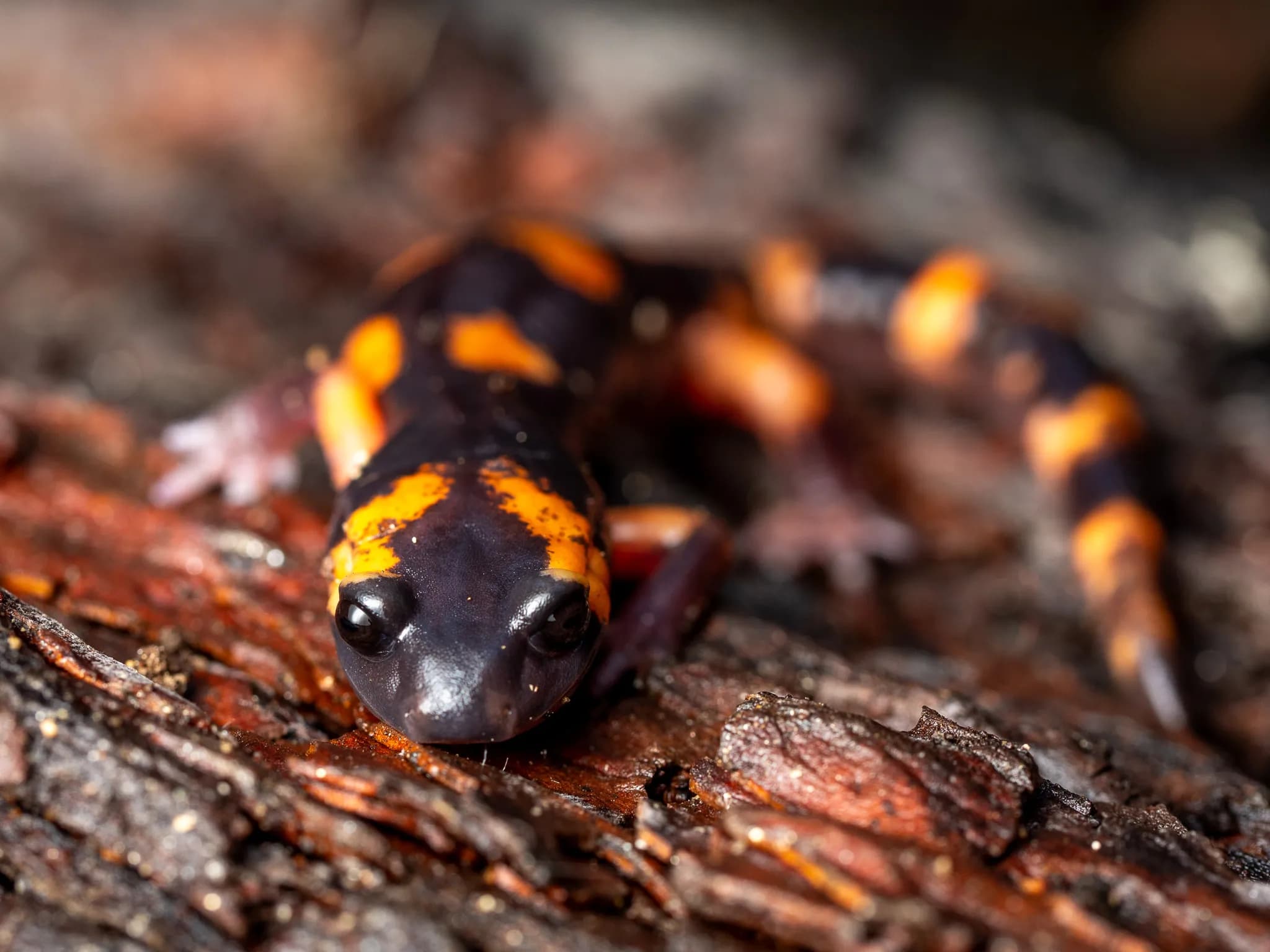
Most herpers I know bring a camera with them into the field. So do I! Admittedly, I don't know that many herpers. So, small sample size. But it's a thing. This article is about why I do that and what I get out of it. If you want details on my particular camera setup, you can find that here.
As you know, if you've poked around a bit on this site, I have a blanket policy against field collecting - I don't bring animals home with me. For me, a photo is so much better than a pet. Looking at the photos I take, I get to admire, in great detail, the many hundreds of animals I encounter, in the comfort of their own home, for as long as I want, and as a bonus I don't have to feed these photo or clean up their poop. And I haven't removed any wild animals from the gene pool - they all get to keep on reproducing (if they are lucky enough to find a mate). But I digress.
Photos are an artifact that help me remember a particular moment in the field. And they're also a way to try to capture a moment and observe an animal while in the field.
Maybe I'm just a terrible field observer, but occasionally I'll miss something interesting in the field and discover it only once I've gotten home by looking at a photo I took. Take for instance, this photo of a Zebra-tailed lizard that I took a few weeks back in the Mohave Desert.
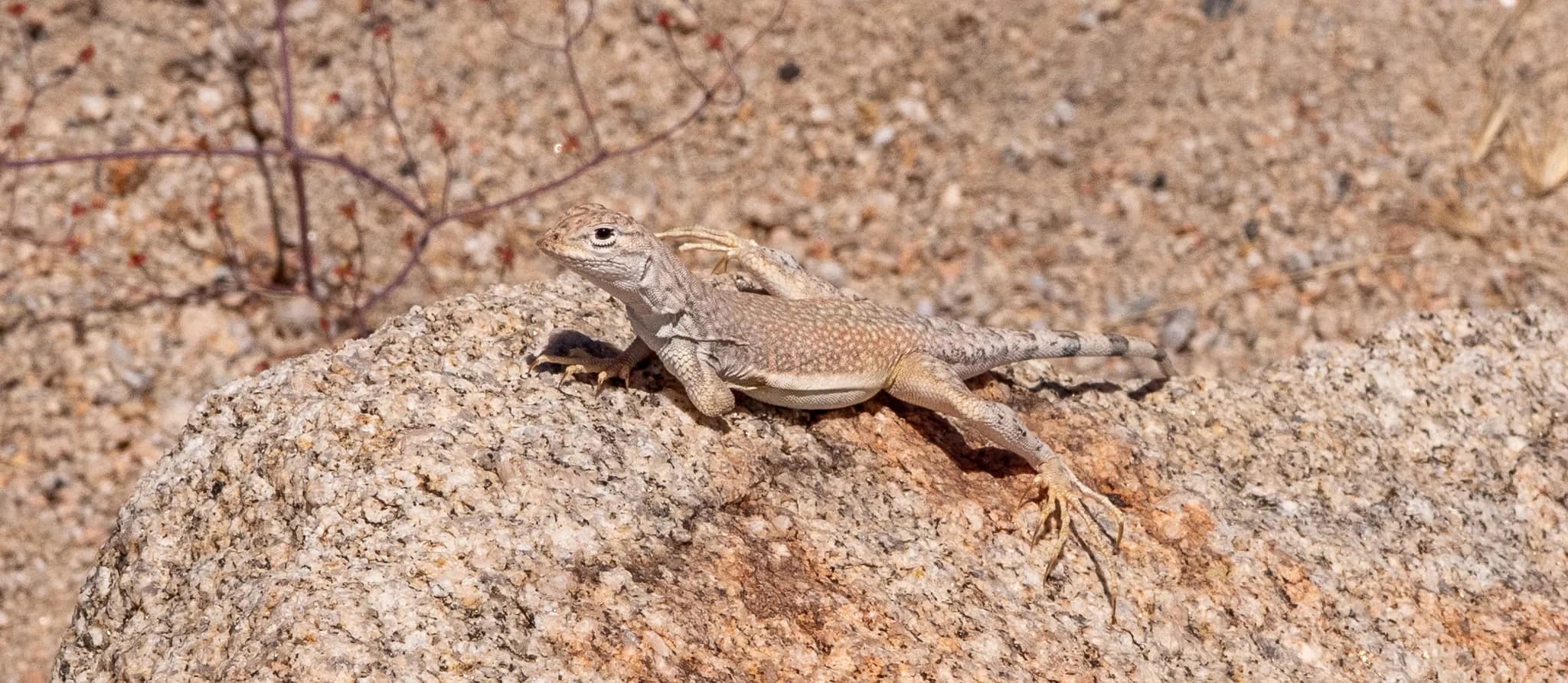
Somehow, I didn't notice the missing leg until I was at home, reviewing the photos. In the photos, it was obvious!
I also like that there's an artistic side to it. Reptiles and amphibians are often quite beautiful, with interesting patterns, pretty colors, and highly-adapted shapes. The habitats they live in are often very beautiful as well, especially when unaltered by humans. It's especially fun to try to capture the animal doing it's thing in the place it lives.
I'm not a great photographer. But I talked to a few! One of these said, "I obsess over getting the right shot". He says he shoots and shoots and keeps shooting in different ways until the photo comes out the way he wants, then he keeps shooting some more. I've often been surprised when reviewing photos that the best shot was not the one I thought it was going to be. That seems to be a common experience, even among the pros. For now, I'll keep working on improving and recognizing that I (and not my camera) and probably the biggest limiting factor in the quality of the photos I take. Obviously, we have to be respectful of our living subjects. If it's running out of patience, we shouldn't push it.
While not always practical, if it can be done, in situ herp photography is especially alluring because it's simultaneously least impactful to the animals and most illustrative of the real behavior of the creature, in much the way that a photographer on the street or at a special event shooting candid photos is more likely to capture a genuine moment or feeling than if in a studio or a more structured setting. It's possible, but harder. Not all of us can be Annie Leibovitz. And not all herps can be convinced to be themselves in front of a camera.
Even when doing posed herp portraiture, the act of composing a photo requires a deeper connection to the animal and its environment, both visually and physically. Maybe you need to get down on their level, belly in the dirt, and see the world as they see it. Maybe you need to think like they think, and figure out how to give them something (maybe cover, or a sip of water) that will help them feel comfortable with the scary giant nearby. Maybe you need to let go of the photo you want, and take the photo you have, for the sake of the subject. Photographing herps is often an act of compromise.
Sometimes it's better not to take the photo at all. As much as photography can be a tool for focusing and observing, it can also be a distraction, or even a liability. In the age of social media, photography that includes obvious landmarks may jeopardize the safety of the animal or the habitat by drawing unintentionally harmful visitors or actively harmful collectors. Don't dox your herp buddies.
I'll close with a final thought. Taking great photos of herps requires finding them first. Finding them requires understanding them. If I want to be a better herp photographer (I do), I'm going to have to start with being a better herper. And that seems like a fun place to start.