Origin story
I don't remember why I was there or what I intended to purchase, but I remember the other details of the moment very clearly. It was September 22, 2024, and I was standing in the checkout line at REI when a well-placed book caught my eye. On the cover was a stunning photo by Marisa Ishimatsu of, as I would soon find out, Thamnophis sirtalis infernalis, the California Red-sided Garter Snake -- one that may people are surprised to learn is native to the State of California. It was the title that intrigued me most, because it carried with it a hope and a dream. California Snakes and How to Find Them.
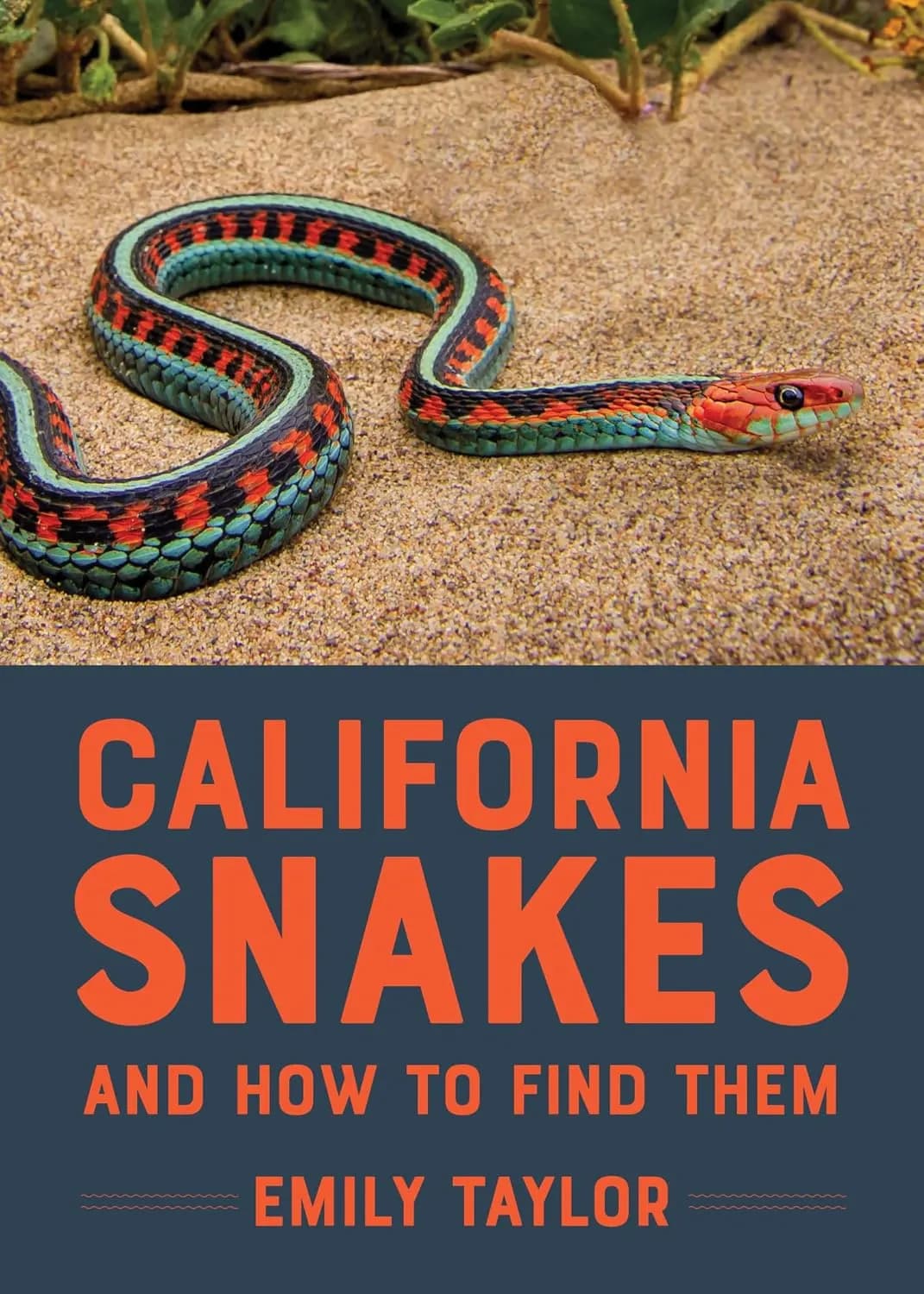
This, I thought, is a book written for me. I like to think I do not make many impulse purchases, but this book found its way into my hands, onto the checkout counter, and into my soul in a shockingly short amount of time.
As long as I can remember, I've loved seeing snakes in the wild. A month before the fateful REI purchase, I had been hiking in Zion National Park and stumbled upon this beautiful Wandering Garter Snake chasing tadpoles in a small pool.
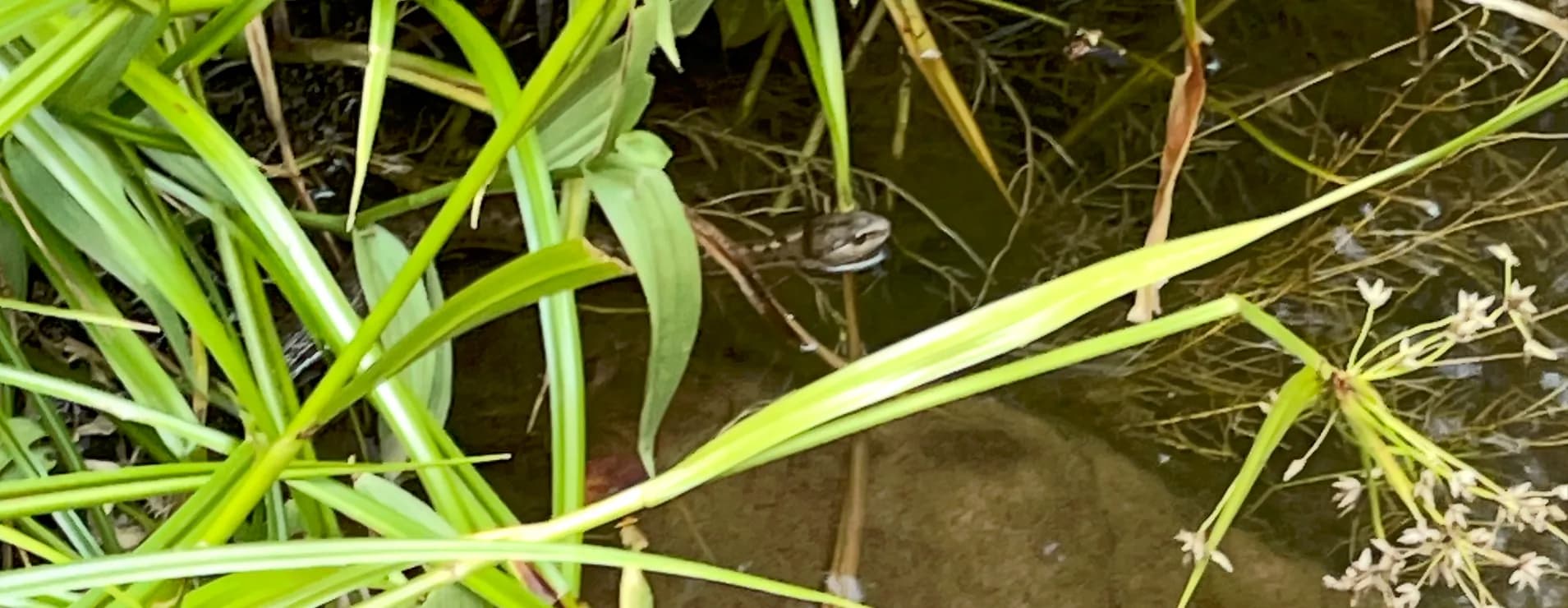
Despite always hoping to see a snake while out hiking, past outings hadn't borne much fruit, so the rarity of this event in Zion NP made it particularly memorable. I was entranced and watched it hunt for several minutes. It was remarkably unbothered by me and the other hikers as a few of us watched it wave its serpentine way through the water, mostly, as far as I could tell, unsuccessful in its attempts at grabbing a tadpole for lunch.
Arriving home from REI, I pulled out my new book and spent the next several hours pouring over it and slowly coming to an understanding of some of the practical and smart things people have learned to do to maximize their own chances of seeing a snake.
One paragraph in the introduction of Emily Taylor's book made a particular impression:
... Finding snakes is a combination of persistence, luck, and skill. Persistence and luck are up to you and the herping gods, but I can teach you a thing or two about skill. The key to skill is knowledge...
This, more than anything, helped me see that I had been missing all the skill and persistence, and failing to give myself opportunities to get lucky.
Developing the skill immediately struck me as being very interesting. I wondered what I would need to learn about snakes that would help me find them? And persistence? My mind was immediately set. I was going to give it my best shot. Persistence would not be my limiting factor. The book lit a fire under me.
Soon, as I read on, I was learning of the existence of some patterns I hadn't known of before. Hiking I had heard of. Glad that made the list. Flipping cover and road cruising? Brilliant! I began to envision a future me, king of snakes, catching every species there was to find.
Of course, I would soon learn (or relearn) that herping is not easy. It's common to go for long stretches without seeing anything. And that I did. It took me about 6 weeks to find my first living colubrid snake. But for its difficulty, its all the more rewarding when you do figure something out.
Initially, my desire to find with snakes was driven by my desire to interact with them. I imagined feeling their scales and admiring their interesting patterns.
As I've kept at it, I've realized that I find more joy in understanding them and in sharing a moment of physical proximity that doesn't always require touch, and which is often more meaningful without it, because the snake makes itself busy with its daily life and, like I did in Zion National Park, I get to watch and learn.